


Selling meaning in slang is simple: it describes performing badly or giving up a clear advantage, and it’s become one of the most searched phrases among gamers and younger internet users in 2026.
Ever lost a game you were winning and had a teammate type “bro you’re selling” in chat? Or seen the word pop up in a group chat and had no idea what it meant? You’re not alone.
At its core, the word describes a very specific kind of letdown: performing badly, giving up effort, or “throwing away” an advantage you clearly had. It’s blunt, a little harsh, and extremely common in gaming lobbies, Discord servers, and text threads.
This guide breaks down exactly what selling means, where it came from, how tone changes its meaning, and how to reply when someone uses it on you — so you’re never left guessing again.
Meaning & Explanation
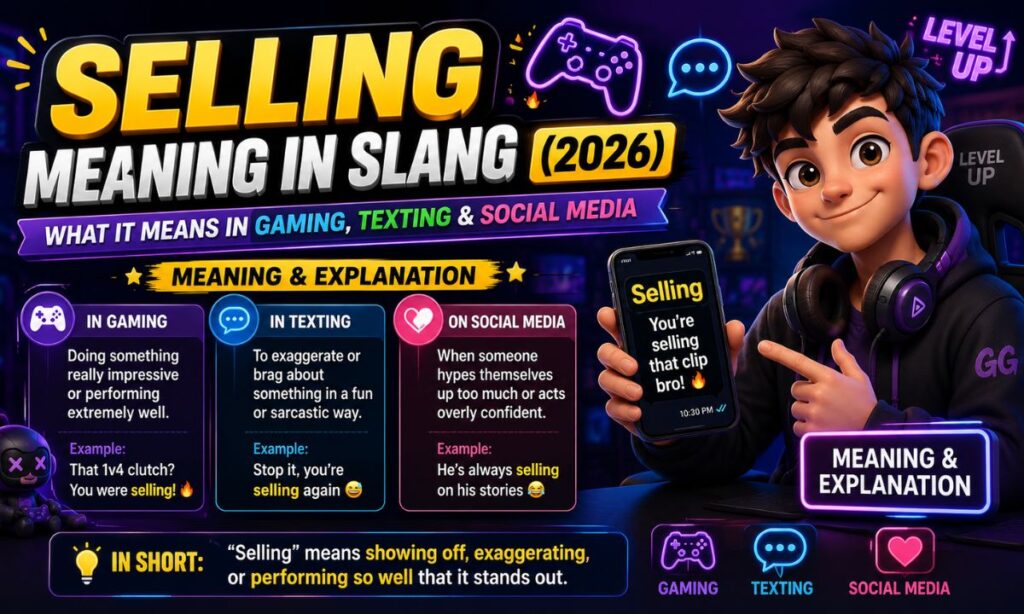
In slang, “selling” means underperforming badly — especially in a way that hurts a team or group after they were doing well. It’s most often aimed at someone who had control of a situation and let it slip through carelessness or poor decisions.
The term comes from the idea of “selling out” — giving something valuable away for nothing in return. Applied to gaming or group efforts, it means the person “sold” the win, the round, or the moment by playing poorly or making a bad call. It’s rarely used for a simple, honest mistake; it’s reserved for performances that feel avoidable or frustrating to watch.
Tone & Context Variations
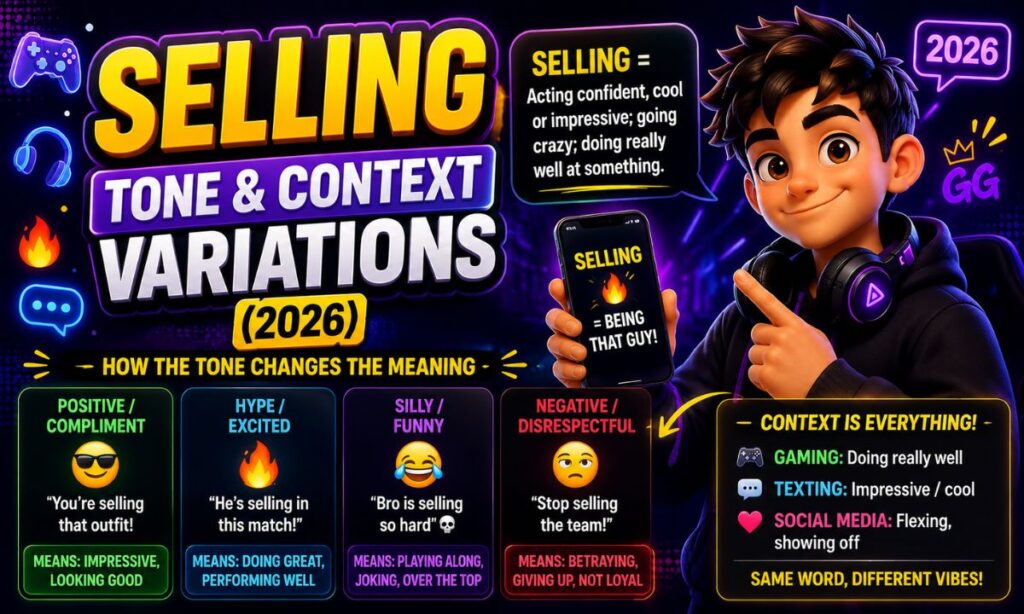
The tone behind “selling” changes everything — the same word can be a joke between friends or a genuine insult depending on how it’s said. Reading the room (or the chat) matters more than the word itself.
Among close friends, it’s often playful trash talk, similar to saying “you choked” with a laugh attached. Among strangers in ranked games, it can come across as genuinely angry or accusatory, especially if typed in all caps or followed by more chat. [External source: data on toxicity trends in ranked gaming chats]
Friendly / Joking Tone
Used between teammates who know each other, usually followed by laughing emojis or a lighthearted follow-up message.
Serious / Frustrated Tone
Used by annoyed strangers or competitive players, often blunt and short, meant to call out poor performance directly.
Real Chat Examples (Natural & Relatable)
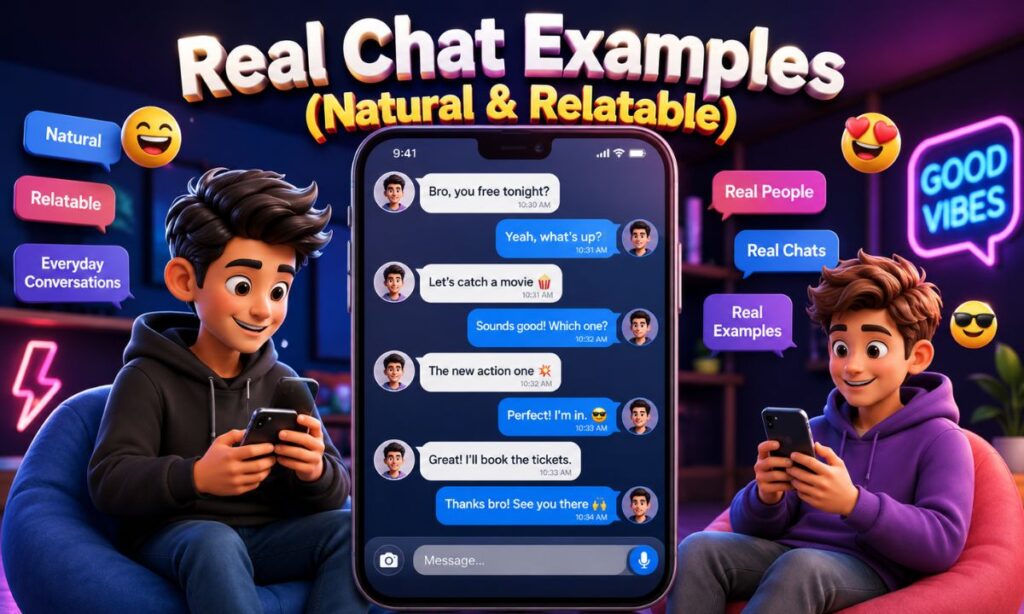
Real examples make slang click faster than any dictionary definition ever could. Below are natural, relatable messages showing how “selling” actually appears in chats and voice lobbies.
- “bro why are you selling rn we had this game won”
- “ngl you sold that last round hard”
- “stop selling and rotate already”
- “she’s not even trying, she’s just selling at this point”
These examples show the word attaching itself to a moment, not a person’s whole character — it’s about one bad stretch of play or decisions, not a permanent label.
Grammar & Language Role
Grammatically, “selling” functions as a present-participle verb form used almost like an adjective describing behavior in the moment. It’s built from the base verb “sell,” repurposed entirely from its literal, commercial meaning.
It shows up most often as “you’re selling,” “stop selling,” or “sold” in past tense — flexible enough to fit casual sentence patterns the way any everyday verb would. This flexibility is part of why it spread so fast: it slots into normal sentence structure without needing extra explanation.
How to Reply When Someone Says “Selling”
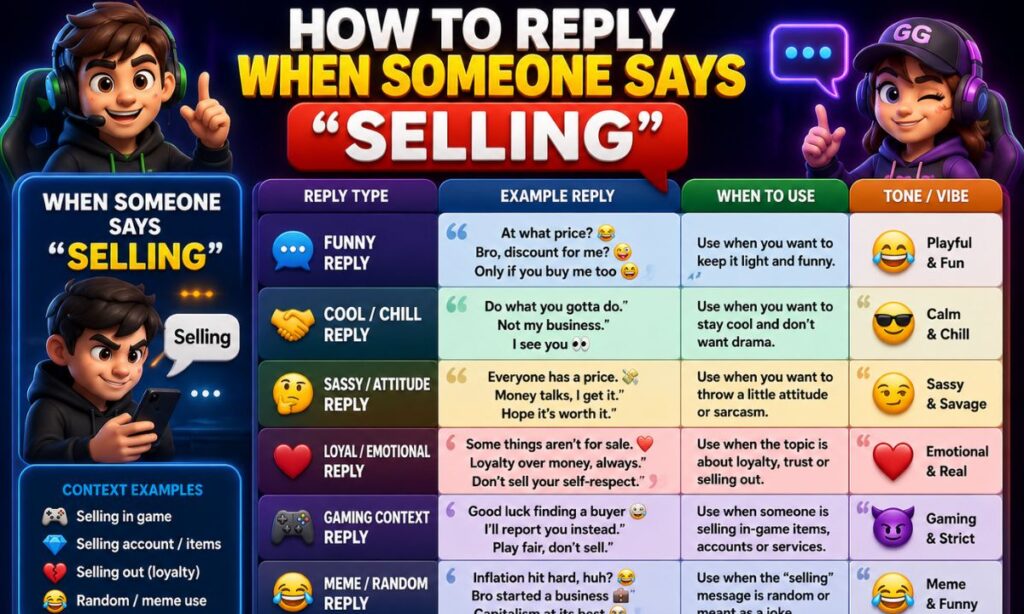
The best reply depends on whether the comment is playful or genuinely frustrated — matching that energy usually keeps the chat calm. A light joke defuses tension fast; a defensive reaction tends to escalate it.
If it’s clearly a joke, something like “my bad, lag got me” or a laughing emoji keeps things easy. If someone seems genuinely upset, a short, non-defensive reply like “yeah that was rough, my fault” tends to cool things down faster than arguing back.
Comparison Table: Selling vs Throwing vs Choking vs Griefing
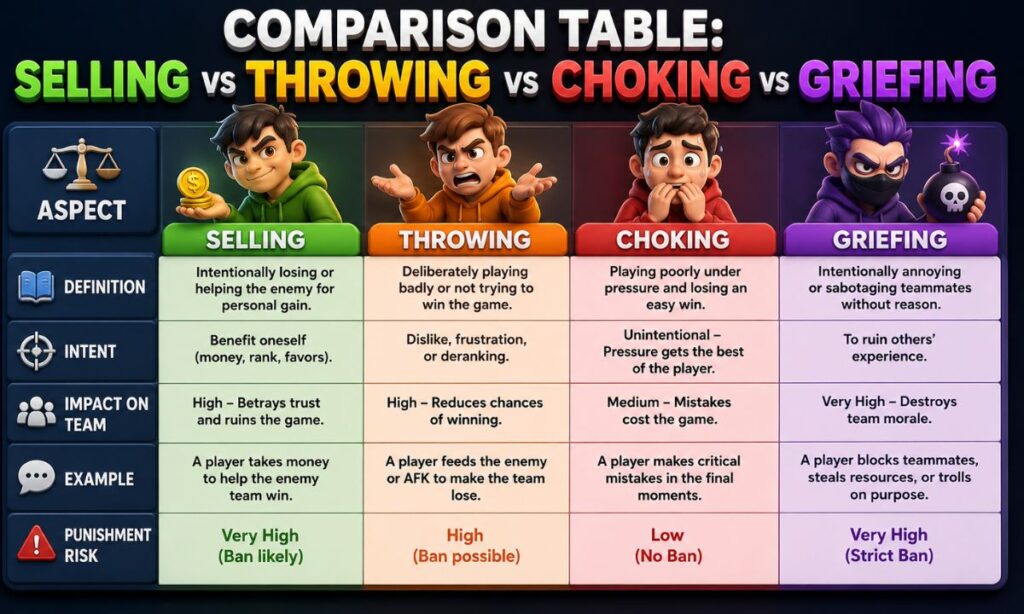
Seeing these terms side by side makes the small but important differences much easier to understand. Each word describes a different flavor of “playing badly,” and mixing them up is a common beginner mistake.
| Term | Meaning | Intent Implied |
| Selling | Performing badly, giving up an advantage | Usually unintentional, but avoidable |
| Throwing | Deliberately losing or sabotaging | Intentional |
| Choking | Failing under pressure at a key moment | Nervous, not deliberate |
| Griefing | Annoying or sabotaging teammates for fun | Intentional and disruptive |
Who Uses This Term?
“Selling” is used mainly by gamers, esports fans, and younger social media users, especially those active in competitive online spaces. It’s common across platforms like Discord, Twitch chat, and gaming-adjacent TikTok and X (formerly Twitter) comments.
The word skews younger — largely Gen Z and younger millennials — and tends to show up wherever competitive or team-based games are discussed. [External source: demographic data on gaming slang usage]
Origin & Internet Culture Insight
“Selling” likely evolved from esports commentary culture, where analysts described a team “selling” a round by playing carelessly after having the upper hand. Streamers and competitive players picked it up, and casual gamers followed soon after.
Over time it spread beyond gaming into general texting slang, applied to anything from group projects to sports to everyday disappointments. This pattern — a niche gaming term becoming everyday slang — mirrors how words like “throw” and “clutch” also crossed over from esports into mainstream internet language.
Safety & Appropriateness
“Selling” is generally safe, mild slang appropriate for casual conversations, group chats, and gaming lobbies among peers. It isn’t considered offensive or explicit, though tone can still make it feel harsh in the moment.
That said, repeated or aggressive use toward the same person can tip into bullying territory, especially in youth gaming spaces. Parents and moderators should treat it the way they’d treat any competitive trash talk — fine occasionally, worth addressing if it becomes personal or constant.
Experience-Based Insight
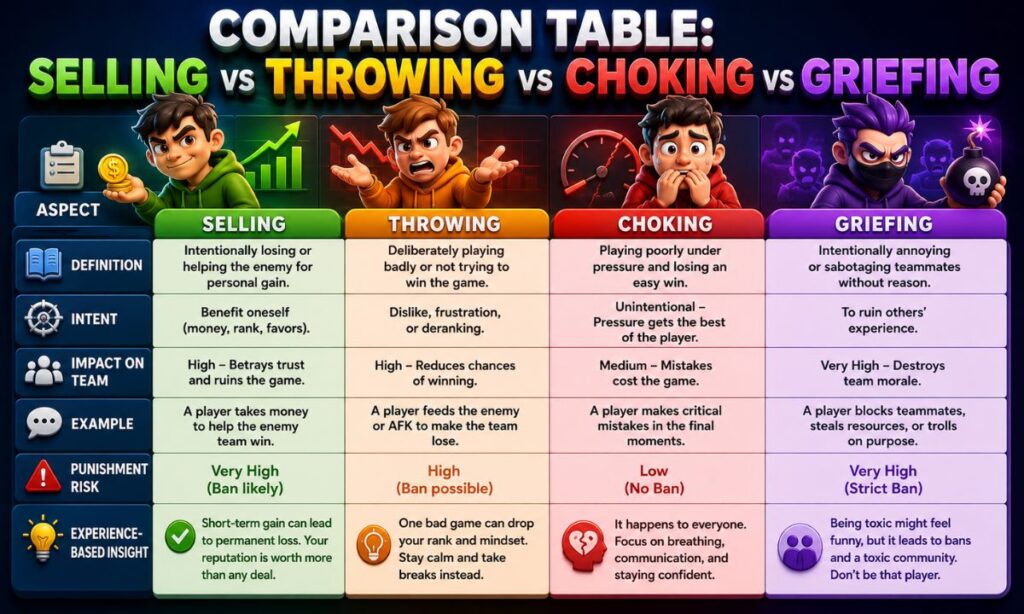
Anyone who has spent real time in ranked lobbies or group chats has both said and heard “selling” more than once — it’s become shorthand for a very specific kind of shared frustration. The word works because it’s fast to type and instantly understood by anyone in gaming culture.
What stands out from everyday use is how quickly the meaning shifts with context: the exact same word can land as a joke among friends or as a genuine callout among strangers. Understanding that difference is really the whole skill of using slang like this well. [Internal link: guide to common gaming slang terms 2026]
Frequently Asked Questions
What does “selling” mean in slang?
It means performing badly or giving up an advantage, especially after having control of a situation.
Does “selling” mean losing on purpose?
Not usually — that’s closer to “throwing.” Selling implies avoidable poor performance, not deliberate sabotage.
What does “selling” mean in gaming?
It describes a player making bad decisions or playing carelessly after their team had the upper hand.
What is the difference between selling and throwing?
Selling is usually unintentional but avoidable; throwing means deliberately losing on purpose.
Is “selling” the same as choking?
No — choking means failing under pressure at a key moment, while selling refers to a broader stretch of poor play.
How do you use “selling” in a sentence?
Example: “You’re selling this round, we need to slow down.”
Is “selling” always negative?
Mostly, yes, though it’s often used jokingly between friends without real offense intended.
Why do people say “you’re selling” in games?
They’re calling out a teammate for poor decisions that are costing the team a clear advantage.
Conclusion
At its heart, the selling meaning in slang comes down to one idea: giving up an advantage through avoidable poor performance, said with a tone that ranges from playful to pointed. Knowing the difference between selling, throwing, choking, and griefing means you’ll never misread a chat message again.
Next time it shows up in your lobby or your group chat, you’ll know exactly what’s being said — and exactly how to respond.